
Secure. Compliant. Low-Risk Property Management
We help housing associations and local authorities and private landlords reduce risk, protect assets and add social value through short life co-operative housing
Turning Empty Homes Into Opportunity
We help you reduce financial and security risks while keeping properties safe, compliant and income-generating
Empty homes cost more than money
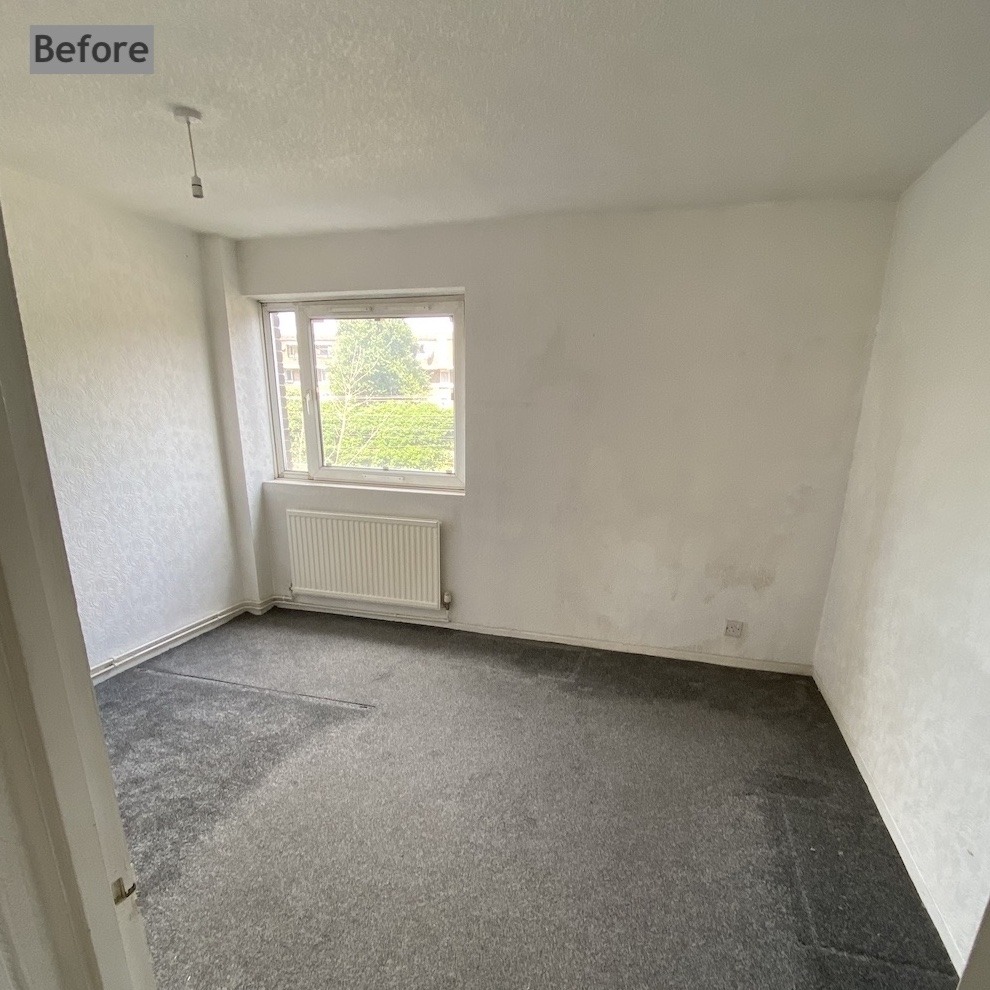
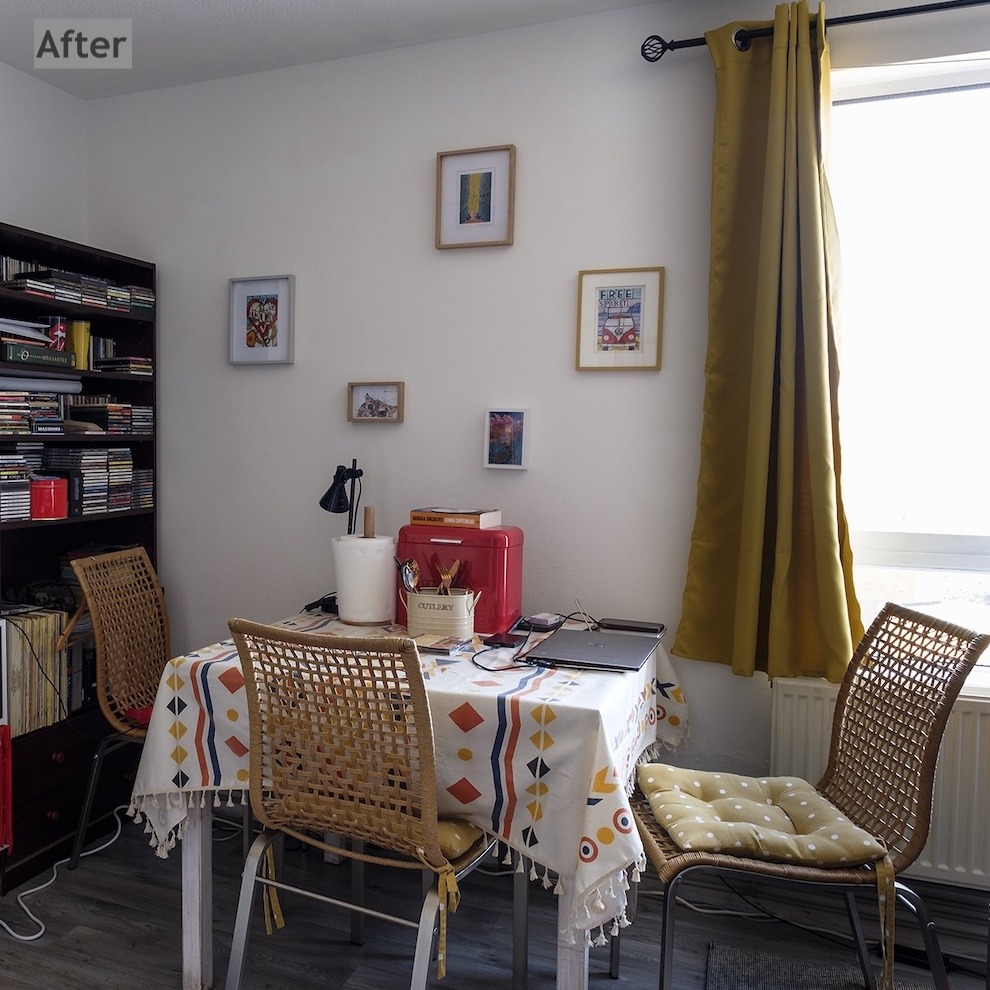
They increase risk, absorb staff time, and expose landlords to avoidable costs — from insurance loading and security measures to complaints, enforcement action, and property damage linked to unauthorised occupation. BDHC secures vacant properties through short-life licensing, providing responsible occupation, regular oversight, and guaranteed handback on notice. Assets remain protected, compliant, and in active use — reducing void-related costs while minimising management and reputational risk.
Our End-to-End Property Management Solution
Comprehensive management that minimises your workload and maximises peace of mind.
Occupant & Property Management
We handle every aspect of day-to-day coordination — from vetting and inducting members to regular inspections and fast issue resolution.
Your properties stay occupied, secure and well managed at all times.
Maintenance & Compliance
Communication & Handback
Professional management made simple
Benefits of Working with BDHC
A trusted cooperative partner for ethical, efficient and compliant property management
- Regulated and insured
- Guaranteed vacant possession
- No assured tenancies or legal fees
- No HMO licence required
- Quantifiable savings
- Measurable social impact
- Experienced liaison officers
- Proven 40 + year track record
Specialists in Estate Regeneration
Explore how our short life co-operative model delivers results for housing providers across London.
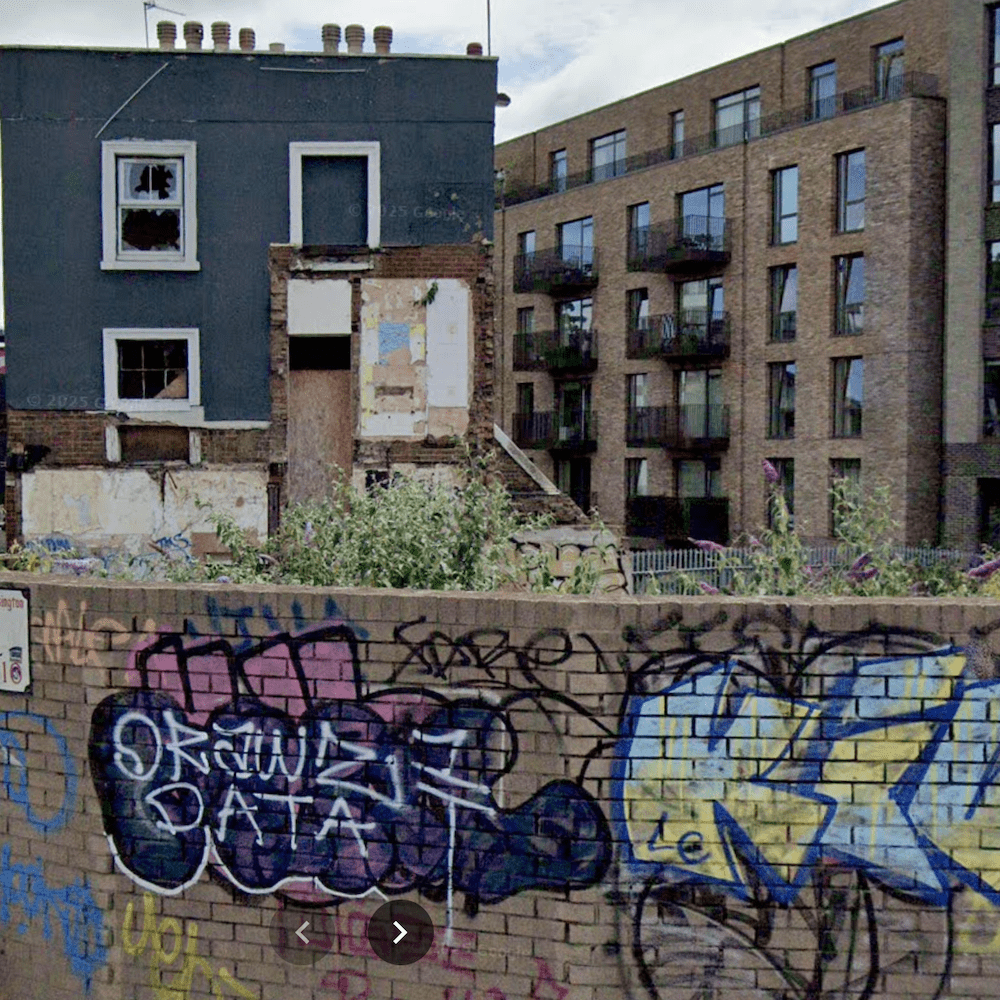
Estate Regeneration
How BDHC helped housing providers cut void costs and maintain community cohesion during redevelopment.

Partner With Us
We collaborate with councils, landowners and housing associations to unlock sites and deliver affordable homes.
Social Impact
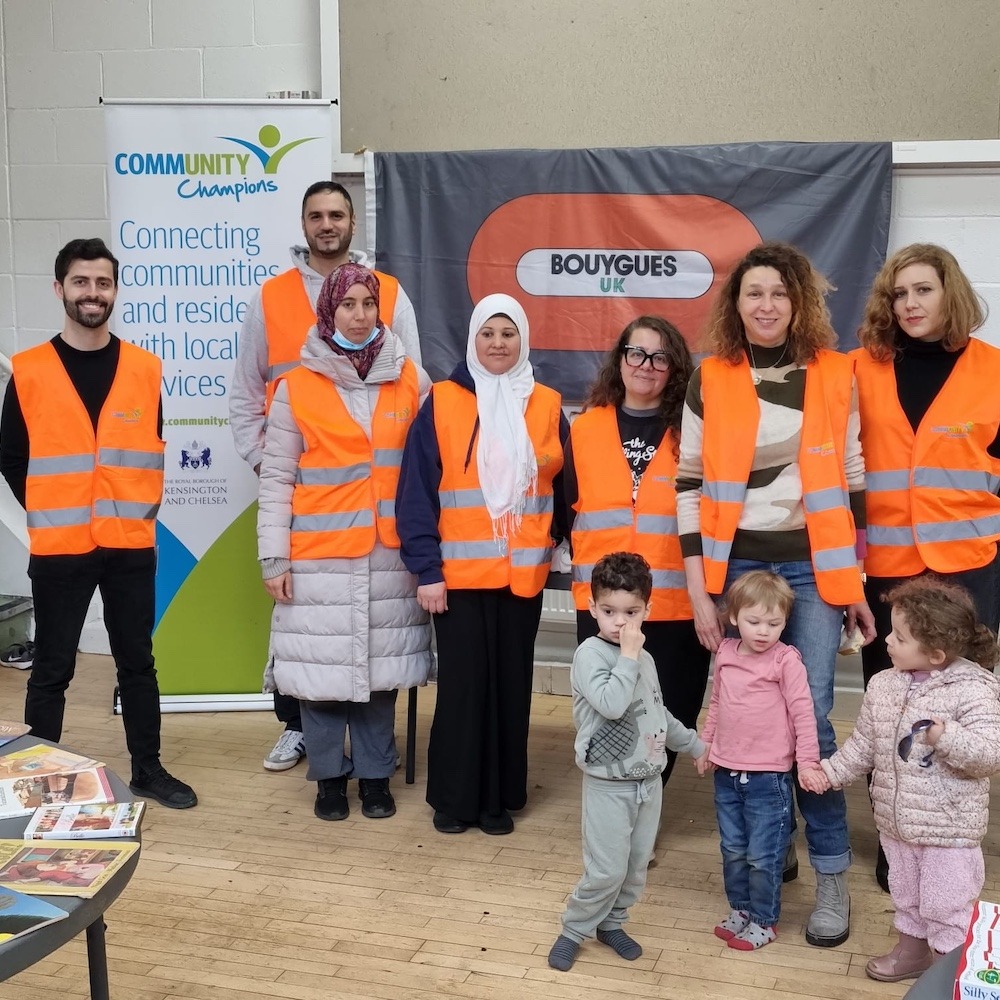
In 2025 our co-op delivered measurable impact — protecting 48 homes and giving 1,500+ volunteer hours.
Trusted by Housing Providers
Over four decades of partnership with London’s leading housing associations — proving that ethical short-life management delivers results.
40 + years of partnership with London housing providers — trusted by Notting Hill Genesis and Peabody Trust to manage short-life properties with care and compliance.
100 % vacant possession record. Properties returned within one month of notice — no legal fees, no assured tenancies, and zero court actions required.
Tangible impact: In 2024 BDHC saved partners £361 k in void costs and council tax, generated £393 k in rental income, and contributed 1,500 + volunteer hours to local projects.
Frequently Asked Questions
We understand that handing over a property requires confidence in how it will be managed. This FAQ section explains how BDHC uses short-life cooperative housing to keep your assets safe, compliant and purposefully occupied. Here you’ll find clear answers to the key questions landlords ask about maintenance, occupancy, inspections, risk management and handback, giving you a practical and reassuring overview of what to expect when working with us.
A short-life cooperative is a temporary housing model that brings empty or unused properties back into productive use. BDHC places vetted Members in properties under a sub-licence, not a tenancy. This avoids exclusive possession and ensures guaranteed handback when required, while keeping properties occupied, secure and compliant.
Short-life cooperative Members occupy under a sub-licence rather than a tenancy. They do not hold exclusive possession or acquire security of tenure. BDHC retains full control of the property and manages the occupancy throughout. This structure guarantees flexible handback and removes the risks associated with assured tenancies.
BDHC is exempt from issuing assured or secure tenancies, meaning our occupancy model is not affected by the abolition of Section 21 or legislative changes proposed in the Renters’ Rights Bill. Members do not gain statutory security of tenure, so landlords retain certainty and flexibility.
No. BDHC is a fully mutual housing co-operative managed by a general meeting of all Members. Fully mutual co-operatives run in this way are exempt from HMO licensing requirements under the Localism Act 2011, which amended the Housing Act 2004. As a result, BDHC-managed properties that would otherwise be classified as HMOs do not require an HMO licence, removing the need for HMO applications, fees or inspections.
Yes. BDHC can take leases on full repairing and insuring (FRI) terms, reducing the management burden on landlords and ensuring that the asset is properly maintained throughout the term.
For multi-unit buildings or longer-term arrangements, BDHC uses flexible common law tenancies, which do not create assured tenancy rights and are not affected by changes in the Renters’ Rights Bill. This provides landlords with predictable and low-risk occupancy.
BDHC has operated continuously since 1981 without external borrowing or reliance on public funding. This long-term financial stability, combined with robust arrears-management processes and strong governance, provides landlords with reliable, secure covenants.
Members are selected through a structured assessment that checks compatibility with co-operative living and property requirements. BDHC works with local authorities and partner organisations to vet applicants and ensure that Members can meet their responsibilities.
BDHC works closely with local authorities, Notting Hill Genesis and Peabody (formerly Catalyst), as well as other London co-operatives. These partnerships support Member recruitment, benefits coordination, and best-practice compliance in property management.
Members maintain the interior of the property and report issues relating to standard installations. BDHC notifies landlords of structural defects or major works that may be required and ensures compliance with statutory checks.
Landlords must ensure that any property offered to BDHC meets basic statutory safety requirements before Members move in. This includes:
A valid EPC certificate
A current Gas Safety Certificate (where applicable)
An Electrical Installation Condition Report (EICR)
A recent Fire Risk Assessment
Working smoke alarms and carbon monoxide detectors as required by law
An asbestos report if the property was built before 2000 or if asbestos may be present
The property must be free from Category 1 hazards, including damp, mould, unsafe electrics, excess cold, or other conditions identified under the Housing Health and Safety Rating System (HHSRS)
Once these standards are met and the property is handed over, BDHC manages the interior condition, occupation, reporting and Member responsibilities for the duration of the licence period.
BDHC has an allocation policy designed to avoid both overcrowding and underuse. We ensure appropriate, safe and sensible occupancy that reflects the size and layout of the property.
Members follow co-op rules and policies, attend meetings, and undergo inductions and training. BDHC liaison officers provide oversight, support and preventative management to ensure Members meet their responsibilities and the property is well cared for.
BDHC has a clear, structured process for resolving behavioural or conduct issues. We operate strict co-operative rules, a transparent complaints procedure and proportionate responses.
If concerns arise, BDHC can apply:
Intervention or additional support
Behavioural agreements
Probationary periods
Expulsion, used only as a last resort
Where expulsion is required, BDHC manages the entire process internally and ensures compliance with our governance rules.
Arrears and contributions are handled directly by BDHC, meaning landlords do not experience income disruption or need to intervene.
Most placements take between 7 and 10 days from initial enquiry to occupation. Once the licence agreement is signed, BDHC assumes responsibility for the property.
Vacant possession is typically achieved within one month of licence termination. Properties are returned clean, secure and free of belongings, with handback coordinated directly with the landlord or their agent.
Members are responsible for all occupation-related costs, including council tax and utility bills, which they pay directly to the relevant suppliers and authorities.
With a minimum of 24 hours’ written notice, Members will provide access for statutory inspections and contractor visits, including gas safety checks, boiler servicing, electrical testing, asbestos surveys and fire risk assessments.
Ready to protect your properties with confidence
Partner with BDHC to reduce risk, maximise social value, and make empty homes work for everyone